
The Myth of Eating for Two
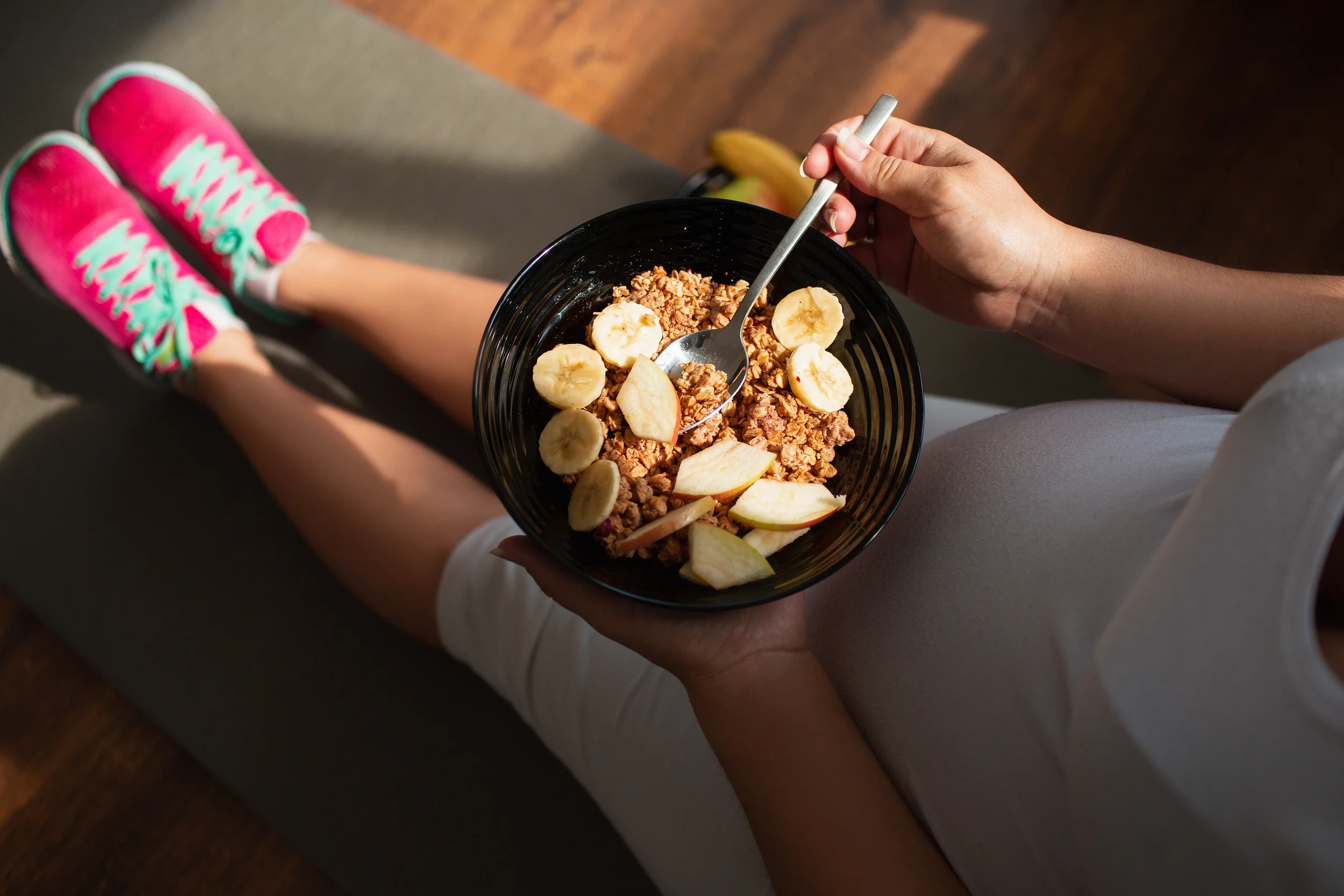
Your pregnancy diet: In reality, you’re just eating for one, plus a few healthy snacks
We’re sorry to be the ones to tell you, but when you are pregnant, you’re not really eating for two. The reality is, a woman only needs slightly more nutrition in her pregnancy diet than usual to provide enough nutrients to her baby. Our Austin and Dripping Springs OBGYNs lay out the facts on pregnancy weight gain.
When you are pregnant, you require additional nutrients, including protein, iron, folic acid, and vitamin D. Incorporating healthy foods into your pregnancy diet provides you and your baby with essential nutrients.
How many extra calories do pregnant women need?
The number of additional calories needed increases throughout your pregnancy. General guidelines recommend no extra calories during your first trimester. In your second trimester, an additional 340 calories per day are recommended. For your third trimester, the recommendation bumps up to 450 additional calories each day.
Developing a healthy pregnancy diet
Eating healthy, nutrient-rich foods is the best way to add those extra calories and ensure the proper nutrients. Make your pregnancy diet a mix of nutritious, whole foods.
Fruits and vegetables, such as berries, apples, bananas, leafy greens, broccoli and sweet potatoes
Whole grains, including whole wheat bread, brown rice, oatmeal and quinoa
Lean proteins, like chicken, fish, eggs and beans
Low-fat dairy, including milk, yogurt and cheese
Healthy fats, such as olive oil, avocado and nuts
You can pack on (some) pounds
The amount of weight a woman should gain depends on her specific health conditions and pre-pregnancy weight. In general, a woman who is at a normal weight before pregnancy should gain 25 to 35 pounds. If she is underweight before becoming pregnant, she may be advised to gain more. It is recommended that an overweight woman gain less weight during her pregnancy. Your OBGYN can help you determine a healthy amount of weight to gain.
Pregnancy weight gain can complicate things
Adding too many calories can result in pregnancy weight gain beyond what is considered healthy. Excess weight gain can lead to health concerns for the mother and baby, including gestational diabetes, preeclampsia, high blood pressure and complications during delivery.
A healthy pregnancy diet benefits you and your baby. Our Austin and Dripping Springs OBGYNs can provide the guidance needed throughout your pregnancy to keep you and your baby healthy. Contact Hill Country OB/GYN Associates to discuss nutrition during your pregnancy or schedule an appointment.